The shape of a diamond sets the whole character of a piece of jewellery. A round brilliant feels timeless, a pear feels romantic, an emerald cut feels architectural. This guide walks through ten popular shapes so you can find the one that feels like you.
Round brilliant
The most popular shape and the benchmark for sparkle. Its 57 to 58 facets are designed to return the maximum amount of light. A round diamond suits every setting, from a classic solitaire to stud earrings, and never goes out of fashion.
Oval
An elongated version of the round brilliant with similar sparkle. Ovals look larger than a round stone of the same carat weight and visually lengthen the finger, which makes them a favourite for engagement rings.
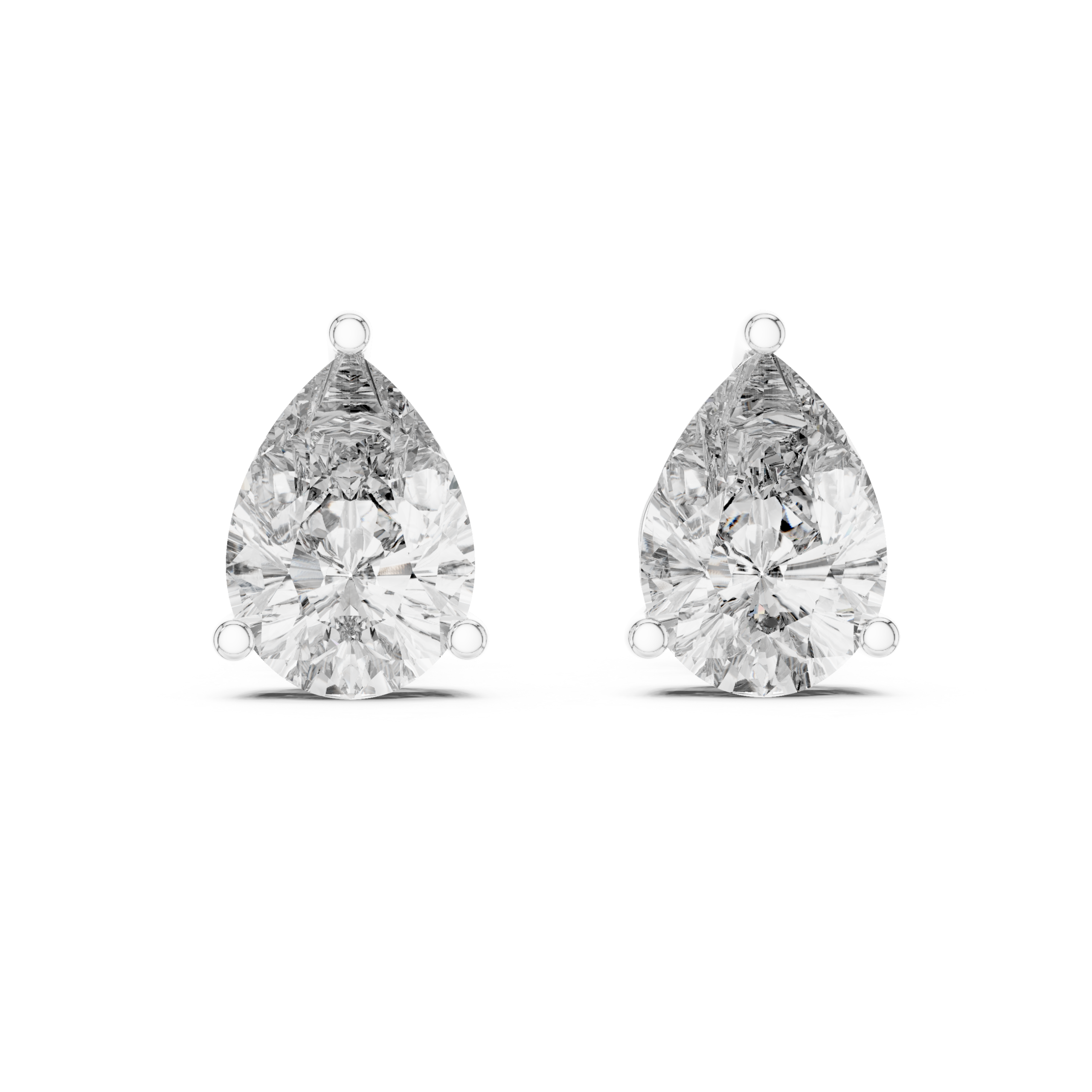
Pear
Part round, part marquise, the pear (or teardrop) is elegant and distinctive. It is beautiful in drop earrings and pendants, and on a ring it is traditionally worn with the point towards the fingertip. Choose a well-protected setting for the tip.
Emerald
A step cut with long, parallel facets that create a “hall of mirrors” effect instead of scattered sparkle. Emerald cuts are sophisticated and vintage-inspired. Because the open facets show more of the stone’s interior, higher clarity grades are worth considering.
Princess
A square brilliant cut with sharp corners and lots of fire. It is a modern, crisp choice and usually offers more carat for the money than a round. Protect the corners with prongs.
Cushion
A square or slightly rectangular shape with rounded corners, like a pillow. Cushions combine a soft, romantic outline with strong fire, and look especially good in halo and vintage designs.
Radiant
Rectangular or square with trimmed corners and brilliant faceting. The radiant blends the clean outline of an emerald with the sparkle of a round, and its corners are less prone to chipping than a princess cut.
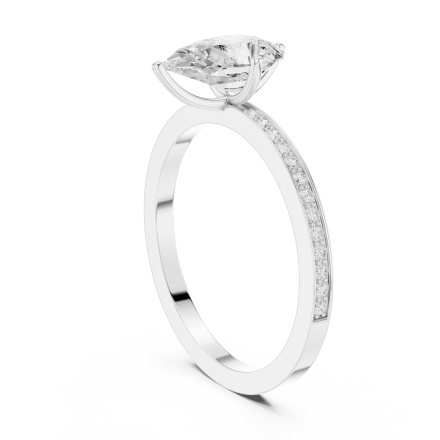
Marquise
A long boat shape with two points. The marquise gives the largest look per carat of any shape and makes fingers appear longer. It suits bold, vintage-style designs.
Heart
The ultimate romantic shape. A heart needs good symmetry and a size of around 0.50 ct or more for the outline to read clearly. It is lovely in pendants and anniversary pieces.
Asscher
A square step cut with cropped corners, often described as an octagon. The Asscher has an Art Deco feel and a mesmerising concentric pattern when viewed from above.
Quick comparison
| Shape |
Sparkle style |
Looks larger per carat? |
Great for |
| Round |
Maximum brilliance |
Standard |
Any style, studs, solitaires |
| Oval |
Brilliant |
Yes |
Engagement rings |
| Pear |
Brilliant |
Yes |
Drops, pendants, rings |
| Emerald |
Step-cut flashes |
Yes |
Elegant solitaires |
| Princess |
Brilliant |
Standard |
Modern rings |
| Cushion |
Brilliant, soft |
Slightly smaller |
Halo and vintage designs |
| Radiant |
Brilliant |
Yes |
Durable everyday rings |
| Marquise |
Brilliant |
Largest |
Statement and vintage rings |
| Heart |
Brilliant |
Standard |
Pendants, gifts |
| Asscher |
Step-cut flashes |
Slightly smaller |
Art Deco styles |
How to choose
- Want the most sparkle? Round, oval or radiant.
- Want the biggest look for your budget? Oval, pear or marquise.
- Love vintage glamour? Emerald, Asscher or cushion.
- Wear it every day with your hands busy? Prefer shapes without sharp points, or choose a protective setting.
Browse our engagement rings, earrings and pendants to see these shapes set in gold and platinum, available with natural or lab-grown diamonds.
Frequently asked questions
Which diamond shape sparkles the most?
The round brilliant is engineered for maximum brilliance. Oval and radiant cuts come close.
Which shape looks biggest?
Elongated shapes such as marquise, oval and pear appear larger than a round diamond of the same carat weight.
Do fancy shapes cost less than round?
Usually yes. Round diamonds lose more rough material during cutting, so fancy shapes often cost less per carat.
Which shapes are the most durable?
Shapes without sharp points, such as round, oval, cushion and radiant, are the least prone to chipping.