Every diamond is graded on four characteristics known as the 4Cs: cut, colour, clarity and carat. Together they decide how a diamond looks and how much it costs. Understanding them is the single best way to buy a beautiful stone without overspending.
1. Cut: the most important C for sparkle
Cut does not mean shape. It describes how well a diamond’s facets are proportioned, aligned and polished, which controls how much light returns to your eye. A well-cut diamond looks bright and lively; a poorly cut one can look dull even with excellent colour and clarity.
Cut grades usually run from Excellent (or Ideal) down to Poor. For the best sparkle we recommend staying at Excellent cut, which is the standard for the centre diamonds we offer.
2. Colour: from D (colourless) downwards
White diamonds are graded on an alphabetical scale that starts at D (completely colourless) and moves through E, F, G, H and beyond, with each step showing a slightly warmer tint.
| Grade |
Description |
Good to know |
| D |
Colourless |
The rarest and highest colour grade |
| E, F |
Colourless |
Differences from D are visible only to experts |
| G, H |
Near colourless |
Excellent value; look white once set, especially in yellow or rose gold |
Tip: the metal affects how colour is perceived. White gold and platinum highlight colourless grades, while yellow and rose gold are forgiving, so a G or H stone can be a smart choice there.
3. Clarity: inclusions and blemishes
Almost every diamond has tiny internal features (inclusions) or surface marks (blemishes). Clarity grades how visible they are under 10x magnification.
| Grade |
Meaning |
| VVS1, VVS2 |
Very, very slightly included: extremely difficult to see even under magnification |
| VS1, VS2 |
Very slightly included: minor inclusions, not visible to the naked eye |
| SI1, SI2 |
Slightly included: noticeable under magnification, often still eye-clean |
| I1 |
Included: inclusions may be visible to the naked eye |
For most buyers, VS1 or VS2 is the sweet spot: the stone looks flawless to the eye at a far better price than VVS grades.
4. Carat: weight, not size
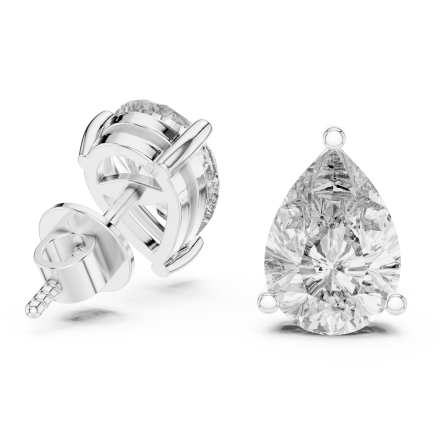
Carat measures weight: one carat equals 0.20 grams. Price rises steeply with carat because larger diamonds are rarer, and certain “magic sizes” such as 0.50 ct and 1.00 ct carry a premium. Two diamonds of the same carat can look different in size depending on cut and shape; elongated shapes such as oval, pear and marquise tend to look larger than a round stone of the same weight.
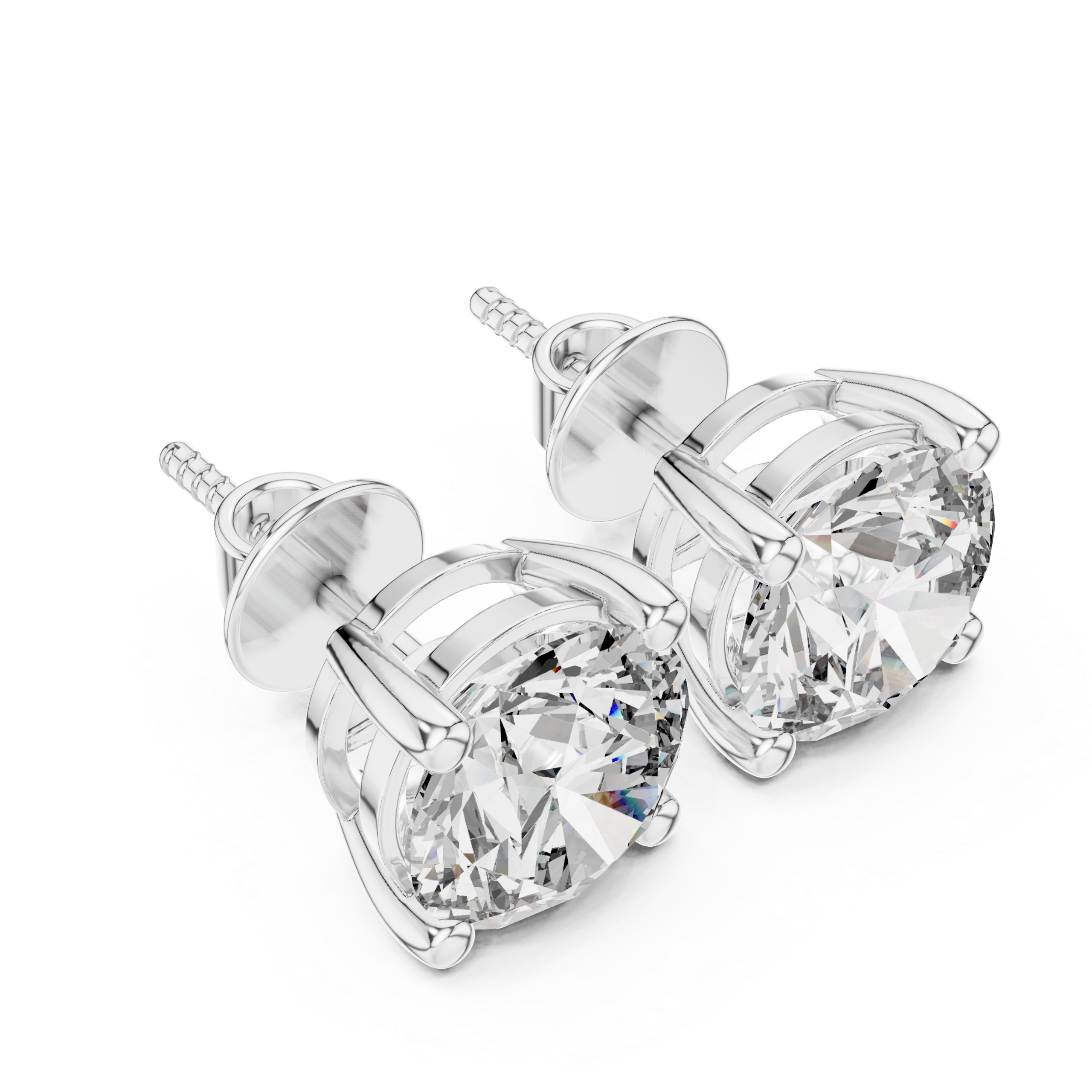
On pieces with more than one diamond, such as earrings, remember to check whether the carat shown is per stone or the total carat weight.
How to balance the 4Cs on a budget
- Prioritise cut. It has the biggest effect on beauty.
- Choose eye-clean, not flawless. VS1 to VS2 usually looks identical to VVS.
- Be flexible on colour. G to H looks white once set, especially in warm metals.
- Buy just below the magic sizes. A 0.90 ct stone looks almost the same as 1.00 ct but often costs noticeably less.
On every Aksharam Jewels product page you can change the carat, colour and clarity and watch the price update live, a simple way to see how each C affects cost. Start with our engagement rings or diamond earrings.
Frequently asked questions
Which of the 4Cs matters most?
Cut, because it controls how much light the diamond reflects. A well-cut diamond can look larger and brighter than a poorly cut stone of higher colour or clarity.
Is a D colour diamond worth it?
D is the rarest colour, but E to H stones look white to most people once set and offer much better value.
What clarity is eye-clean?
Most VS1 and VS2 diamonds are eye-clean, and many SI1 stones are too, depending on where the inclusions sit.
Is carat the same as size?
No. Carat is weight. Cut and shape decide how big a diamond looks from above.